FrontStreet Coffee found the following content related to "cocoa powder" for you

The charm of Italian coffee lies in the concentrated presentation of aroma, sweetness and taste in a short period of time. Whether you want a crisp Americano in the morning, a creamy latte in the afternoon, or a cup of iced coffee when the weather is hot, the beans that are suitable for you are different. Before buying, you can imagine what kind of cup it will end up in, and then decide whether you want richness.
Read more →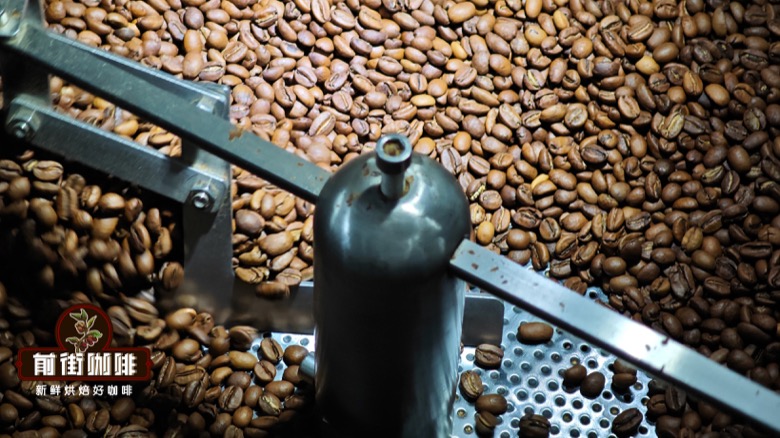
When you first start buying beans, you don’t have to go for a lot of flavor at once. A more practical approach is to first select a bean with a clear flavor profile and high compatibility with brewing methods, fix the amount of powder, grinding and water temperature, and then observe the changes in entrance, sweetness and finish. This way you can establish your own taste reference. Italian extraction focuses on powder quantity
Read more →
The degree of roasting is the adjustment knob for the focus of flavor: light roasting favors floral and fruity aromas and bright acidity, medium roasting favors sweetness and balance, dark roasting favors nuts, cocoa and thick taste, and the extraction rhythm changes simultaneously. Don’t talk about high or low, just talk about matching your own drinking method. Use a Moka pot to brew coffee, just fill the filter bowl with the powder layer, no need to apply pressure
Read more →
Putting the same bean into different utensils will cause obvious changes in performance. Hand brewing pays more attention to aroma and clarity, Italian machine emphasizes concentration and sweetness, and Moka pot needs to take into account pressure, firepower and powder layer. The bean selection cannot be separated from the instrument, and the parameters must be adjusted accordingly according to the roasting level of the beans. Moka pot is a steam pressure extraction
Read more →
When buying beans for beginners, focus on quality rather than quantity. Choose a bean with a clear flavor profile that is easy to match with the brewing method, fix the amount of powder, grinding degree, and water temperature, and then observe the changes in entrance, sweetness, and finish. Only in this way can you establish a solid taste reference. Dark roasting shifts the flavor focus to cocoa, nuts, caramel and toasted
Read more →
Latte is not a fixed flavor of coffee. In the morning, you need a clear coffee aroma, in the afternoon it is suitable for getting along with desserts, and when commuting, you often prefer a cold and smooth taste. It is the same coffee with milk, but the flavor thickness, sweetness and aroma of the beans are different, and the entrance experience will also change according to the scene. When choosing beans, you might as well imagine this
Read more →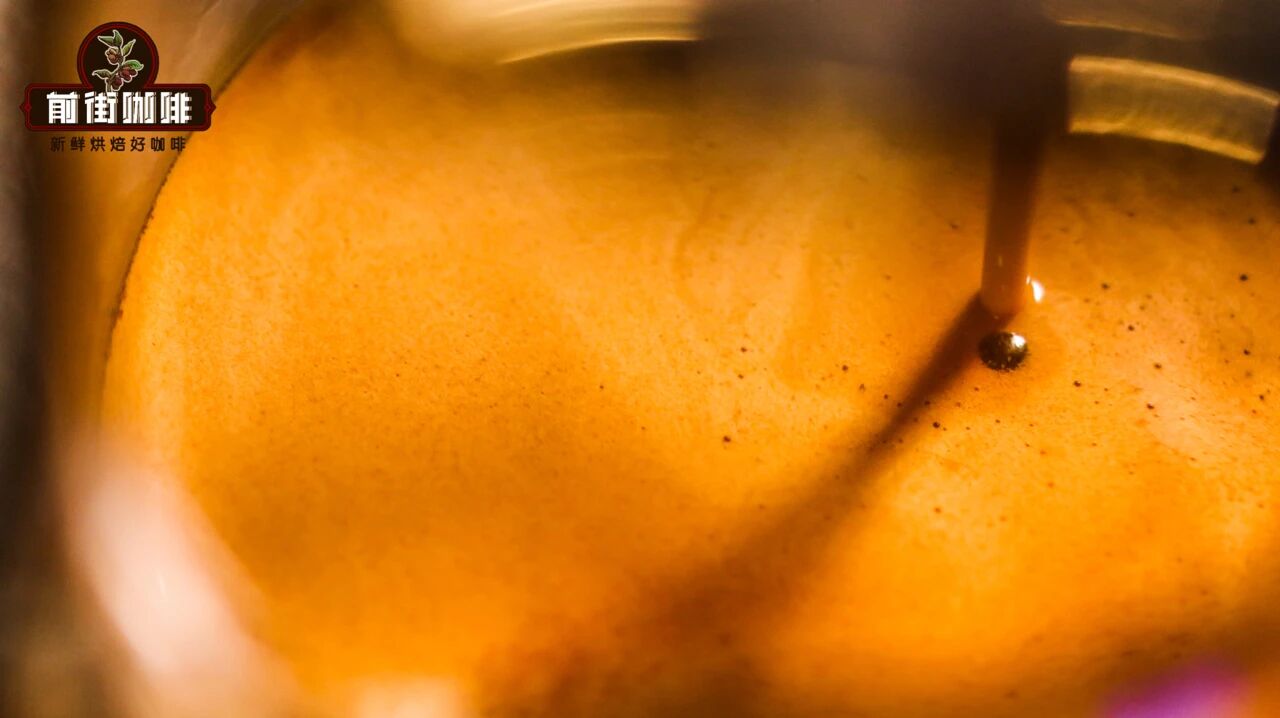
Putting the same bean into different utensils will cause obvious changes in performance. Hand brewing pays more attention to aroma and clarity, Italian machine emphasizes concentration and sweetness, and Moka pot needs to take into account pressure, firepower and powder layer. The bean selection cannot be separated from the instrument, and the parameters must be adjusted accordingly according to the roasting level of the beans. Italian extraction focuses on powder quantity and grinding
Read more →
The coffee made from the Moka pot can be drank directly, or mixed with water, ice or milk. Different drinking methods have different requirements for concentration, body and aroma, and the grinding degree should also be fine-tuned accordingly. Usually you can start with medium-fine grinding. The powder particles are slightly larger than espresso and finer than regular hand brewing. There will be enough concentration in the entrance.
Read more →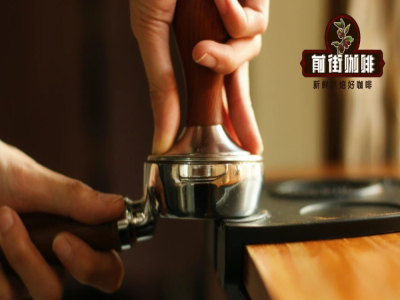
For more knowledge about specialty coffee, please pay attention to: Frontsteet Coffee (Frontsteet Coffee) Before trying to figure out "the difference between Americano and latte", "Which coffee tastes less bitter, Americano or latte", "Which one tastes better, American black coffee or latte", etc., Frontsteet believes that
Read more →
SOE refers to espresso beans from a single origin or single origin. Use them to make latte, and the coffee flavor will be more individual than common blends. It can be bright and fruity, or go the nutty, cocoa and caramel route. Whether it tastes good or not does not depend on the identity of SOE itself, but on the coffee concentration, milk ratio and the day.
Read more →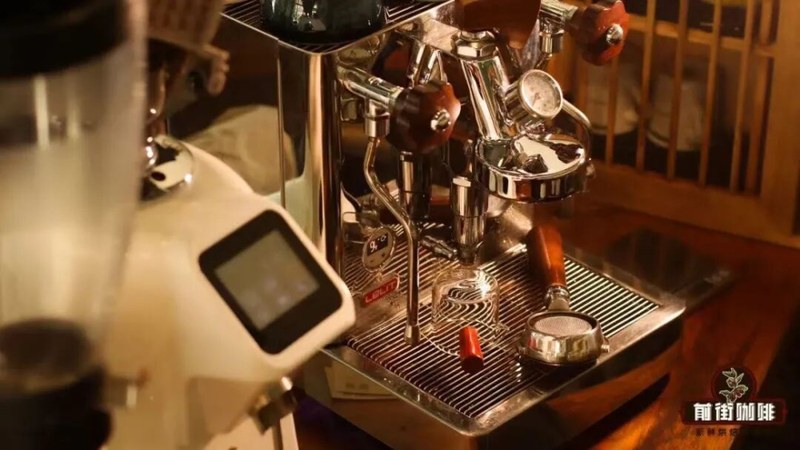
A pot of moka pot coffee can be a rich pick-me-up before going out, a soft milk coffee on the breakfast table, or a hot drink to share with friends on the weekend. If you want a more obvious oily feeling on the surface, the beans usually need to have good soluble content, sufficient body, and a medium to medium-depth roast.
Read more →
The value of home Italian blends lies in the ability to switch drinks with the rhythm of the day. You need a short and concentrated cup of espresso in the morning, you want to add milk at breakfast, you might want to make an iced American style in the afternoon, and you have to entertain your family with a moka pot on the weekends. Beans suitable for families usually have a clear sweetness, adequate thickness, and a tolerance to different
Read more →
Just because you want to drink a cup of single-origin hand-brewed coffee that is neither sour nor bitter does not mean that the coffee has to lose its aroma and sweetness. A more suitable state is when there is no sharp irritation in the mouth and no obvious burnt bitterness after swallowing. At the same time, you can still drink nuts, cocoa, caramel or soft fruity sweetness. Tell us when to drink it every day, whether it should be paired with food and the desired concentration.
Read more →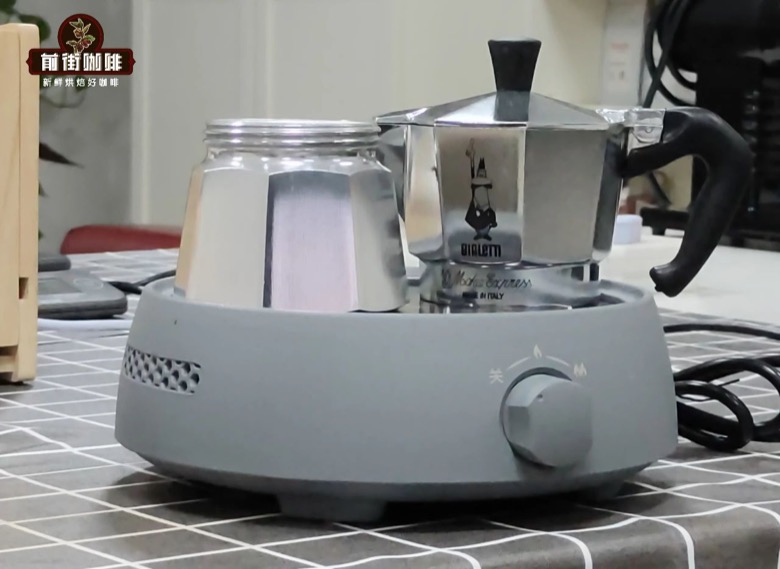
The flavor of a cup of coffee is not only sour or bitter, but also includes aroma, sweetness, body, mouth feel and finish. When choosing beans, first determine whether you want floral and fruity aromas, nutty cocoa, or a balance between the two, and then correspond to the production area, processing method and roasting level. Moka pot is a steam pressure extraction device
Read more →
Black coffee and milk coffee have different requirements for beans. Black coffee requires the aroma and sweetness to be independent, while milk coffee requires the coffee liquid to have sufficient concentration and body, and to still retain a clear flavor after adding milk. It will be easier to choose the right one by first determining whether milk is added to the cup, and then deciding on the style of beans. Mount
Read more →
Most Italians think espresso is "real coffee" because they are more accustomed to the rich, strong body, thick and even bitter taste. Italians' love for espresso is engraved in their bones. They will have a cup no matter it is early morning, afternoon or evening. It's just for nothing else.
Read more →
The charm of low-acid dark roasted coffee beans is that they are less sharp in the mouth and have more aromas of roasted nuts, cocoa, caramel or dark chocolate. Put it into different life segments, and the way you drink it can also change accordingly: Refreshing black coffee is suitable for mornings, milk is suitable for breakfast, richness is sought when you are busy, and a small cup can be used after meals.
Read more →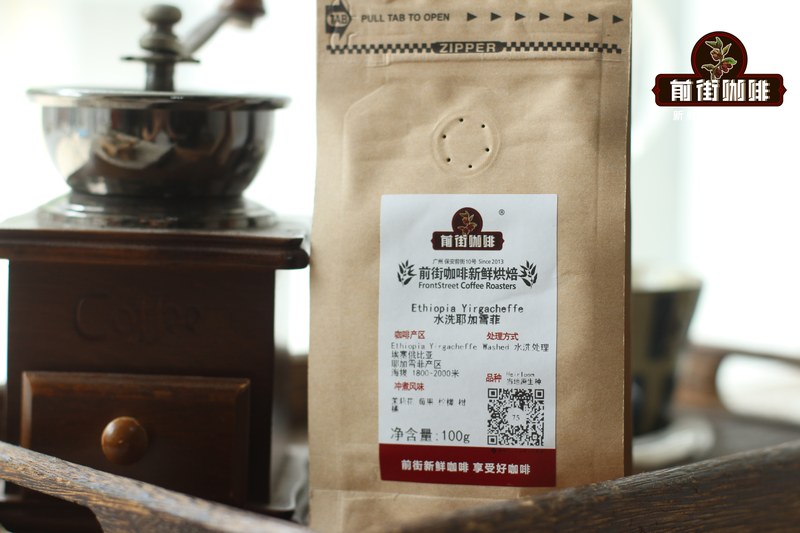
If you want to use a moka pot to make a cup of black coffee in the morning, it is suitable to start with flavors such as nuts, cocoa, and caramel. The flavors are well defined and have thickness in the mouth, and they still don't appear thin after adding a small amount of hot water. If you are not used to obvious sourness, medium to medium-dark roasting will be easier to accept, and it will also make the coffee brewed in the Moka pot more enjoyable.
Read more →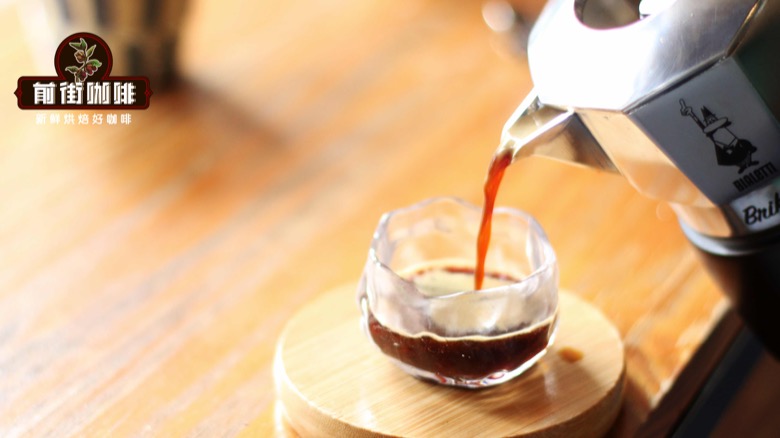
Black coffee and milk coffee have different requirements for beans. Black coffee requires the aroma and sweetness to be independent, while milk coffee requires the coffee liquid to have sufficient concentration and body, and to still retain a clear flavor after adding milk. It will be easier to choose the right one by first determining whether milk is added to the cup, and then deciding on the style of beans. Mount
Read more →
The golden foam on the surface of espresso coffee is often called fat. It comes from the emulsified layer formed by carbon dioxide, aromatic substances and water inside the coffee beans under high pressure, making the entrance thicker and the aroma more concentrated. If you care about the richness of fat, you should not just look at the color when picking beans, but also consider the way you drink them and how they are roasted.
Read more →Be the first to know about new bean releases, brewing tips, promotions and cupping notes

Scan to Follow Front Street Coffee on WeChat
